

TonyM
Well-Known Member
- Joined
- Jul 30, 2013
- Messages
- 6,710
- Reaction score
- 6,762
- Country
- United Kingdom
- Dash Cam
- Many dashcams over many years
The Vantrue S1 Pro Max is a dual channel 4K Front + 4K Rear STARVIS 2 dashcam. It is an upgrade to the 2-year old S1 Pro which had 2.5K + 1080p sensors, bringing it in line with a few other manufacturers who have released dual-4K dashcams this year.
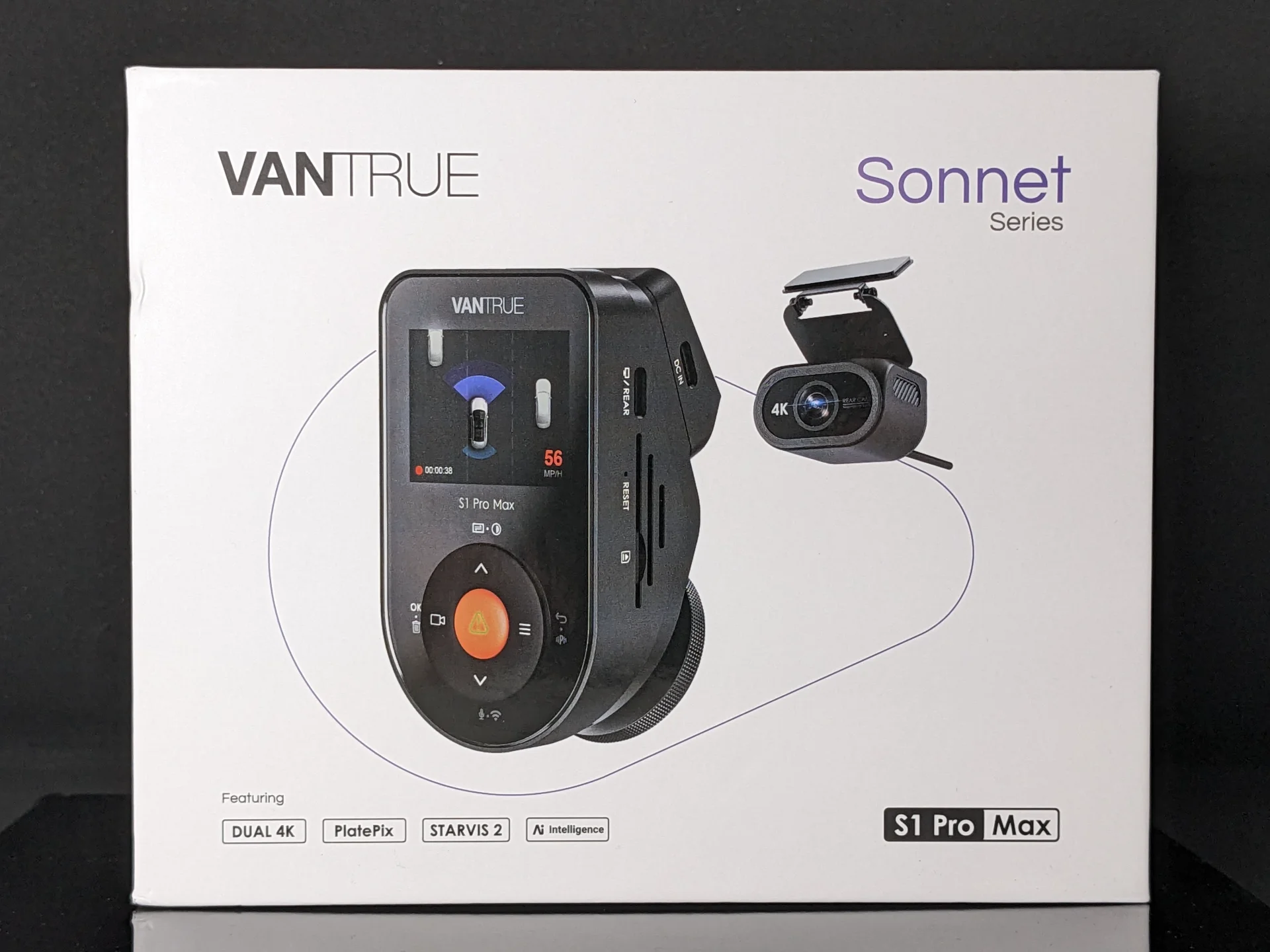
The feature list includes:
- 4K IMX678 STARVIS 2 sensors front & rear
- PlatePix (Vantrue's proprietary image processing to enhance licence plate capture - on the front camera only)
- HDR on both channels (can be turned on / off independently of each other)
- AI Intelligence for ADAS and BSD (blind spot detection) - notably this is also being made available to the older S1 Pro
- Cloud connectivity through the optional LTE module
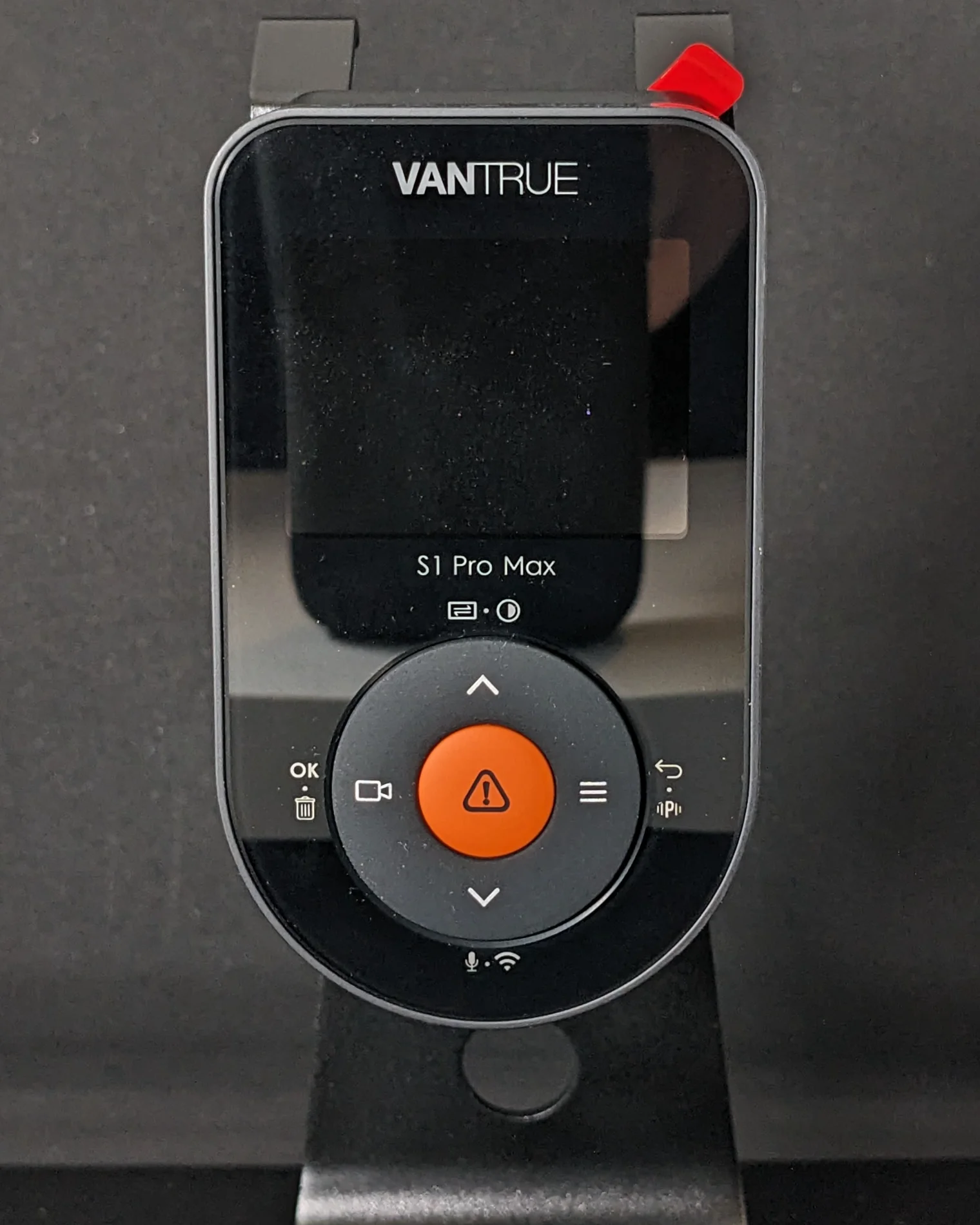
The front camera retains the same housing as the S1 Pro, complete with a 2" IPS screen (not touch sensitive) and a black circular soft-touch control pad that has 4 buttons around a central orange soft-touch button. Whilst the IPS screen looks good, it appears black through the polarised sunglasses that I wear throughout the summer months. Therefore I have to remove my glasses or tilt my head whenever I want to see the screen. This is probably more of an issue to a dashcam-tester who is frequently using the screen to check or change settings - most users will be able to set-and-forget so removing sunglasses to get the dashcam setup might not be a big deal. The soft-touch buttons need a firmer press than I might like, but they are generally responsive and they do not rattle. The recording indicator (the warning triangle in the middle of the orange button flashes green) can be difficult to see in some lighting conditions, again my sunglasses seem to make this more difficult. A separate indicator light set against a black background might have been better.
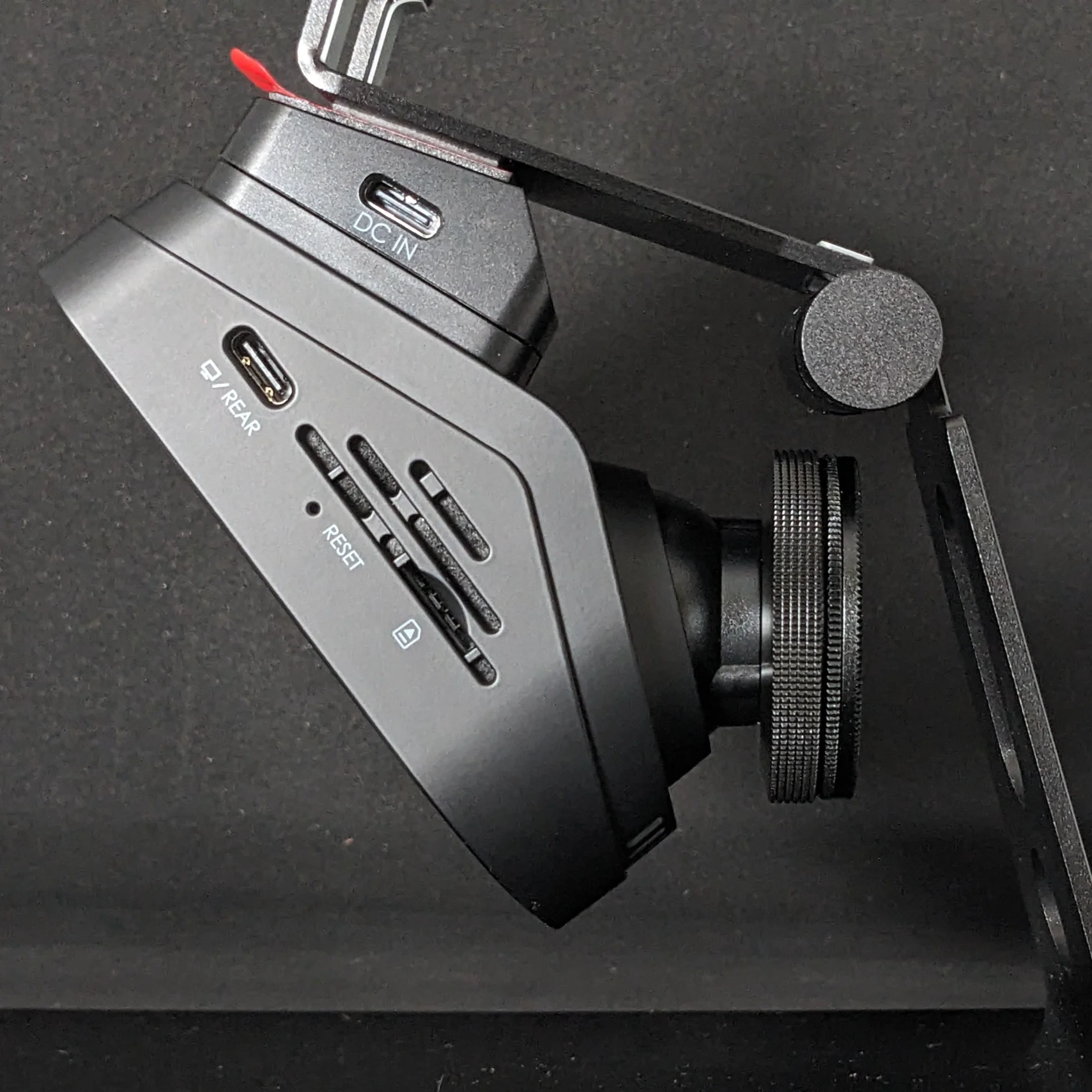
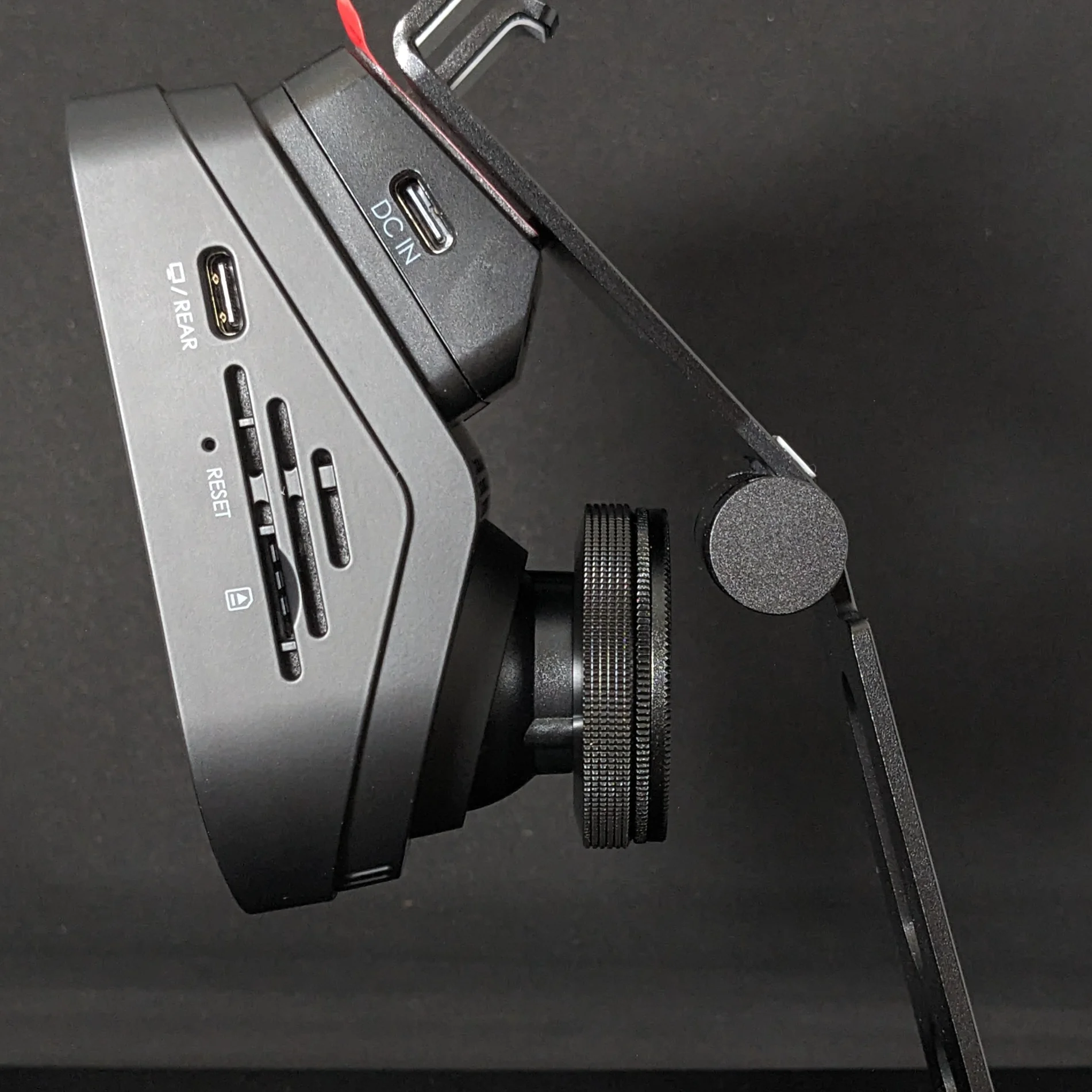
The lens on the front camera adjusts both up/down and left/right. These images show the approximate range of shallow to steep windshield angles that the S1 Pro Max can accommodate (~20 degrees to ~45 degrees from the horizontal).
The camera slides sideways onto the small wedge mount block. This is a very secure fit and I cannot see it vibrating, rattling or working itself loose over time. Note that the photos below show the front camera with the optional CPL filter attached.
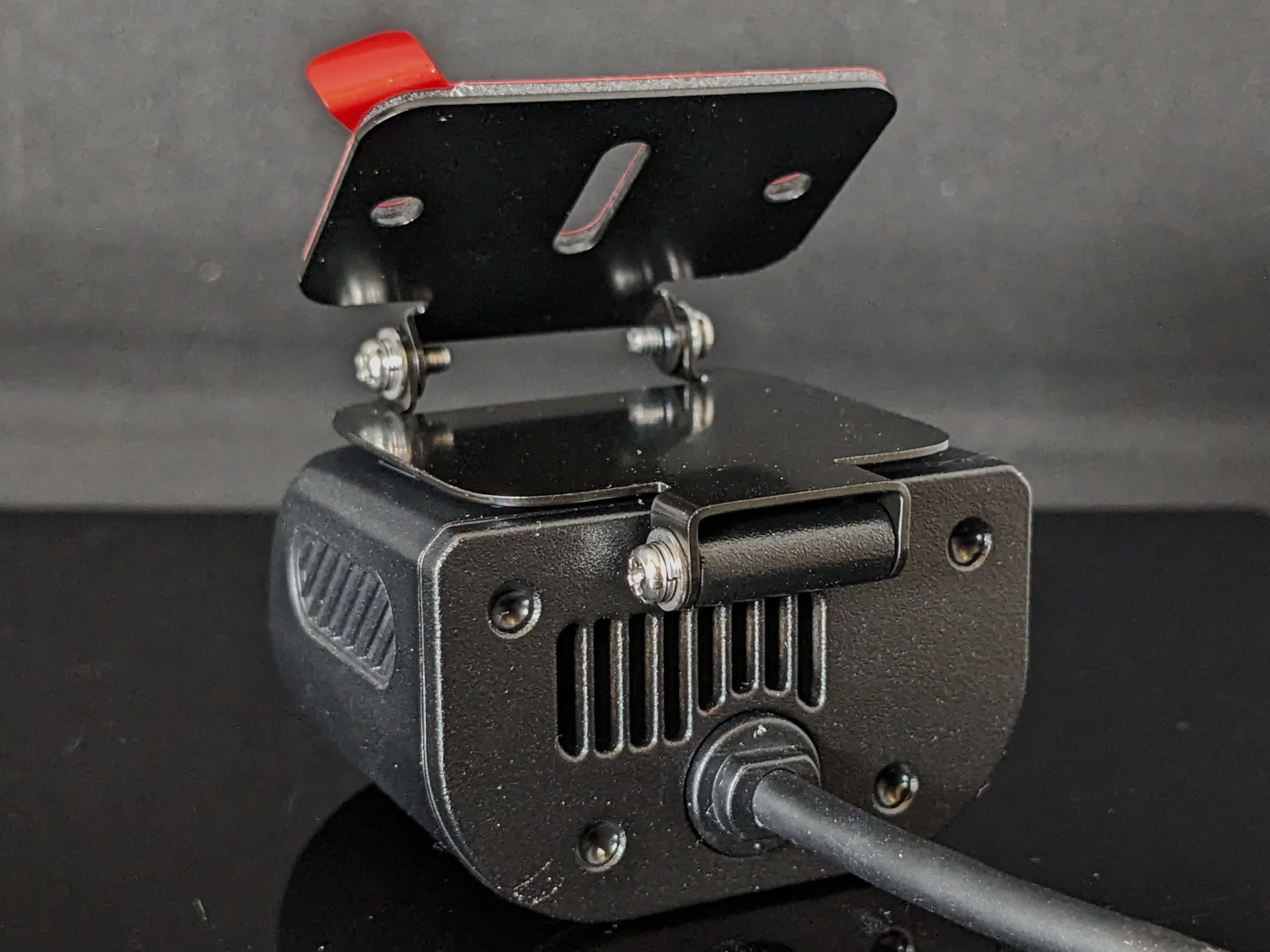
The optional rear camera shown here adopts a new design (RC11) which is waterproof, and thus can be installed inside or outside the vehicle. The supplied mount comprises two metal plates with two hinges - the angle is secured by tightening the screws on both sides. There is a second mount plate in the box that has just one plate, hinged at the rear of the camera module. The mounts seem adjustable enough to permit installation on a wide range of surfaces from horizontal to vertical, and in addition to the usual layer of VHB tape there are slotted and circular holes allowing the user to screw-fix the mount for a secure hold.


Since the rear camera is waterproof it does not have any cooling vents to help with heat dissipation. The rear plate of the camera is metal and does get rather hot, so the heat generated by the 4K sensor is being radiated away from the camera.
Note that the rear camera has a captive USB-C cable to maintain its waterproof ability. This is a short pigtail approx 40cm long terminating in a female USB-C plug, into which the 20ft rear camera cable can be connected.
At the time of writing there is no CPL filter available for the rear camera. In time, I may test a DIY CPL to see if this camera may benefit from such an add-on.
Alternative 2nd camera options for the S1 Pro Max include an RC09 2.5K rear camera and an RC08 interior cabin camera (extract from the manual below)

The feature list includes:
- 4K IMX678 STARVIS 2 sensors front & rear
- PlatePix (Vantrue's proprietary image processing to enhance licence plate capture - on the front camera only)
- HDR on both channels (can be turned on / off independently of each other)
- AI Intelligence for ADAS and BSD (blind spot detection) - notably this is also being made available to the older S1 Pro
- Cloud connectivity through the optional LTE module
The front camera retains the same housing as the S1 Pro, complete with a 2" IPS screen (not touch sensitive) and a black circular soft-touch control pad that has 4 buttons around a central orange soft-touch button. Whilst the IPS screen looks good, it appears black through the polarised sunglasses that I wear throughout the summer months. Therefore I have to remove my glasses or tilt my head whenever I want to see the screen. This is probably more of an issue to a dashcam-tester who is frequently using the screen to check or change settings - most users will be able to set-and-forget so removing sunglasses to get the dashcam setup might not be a big deal. The soft-touch buttons need a firmer press than I might like, but they are generally responsive and they do not rattle. The recording indicator (the warning triangle in the middle of the orange button flashes green) can be difficult to see in some lighting conditions, again my sunglasses seem to make this more difficult. A separate indicator light set against a black background might have been better.
The lens on the front camera adjusts both up/down and left/right. These images show the approximate range of shallow to steep windshield angles that the S1 Pro Max can accommodate (~20 degrees to ~45 degrees from the horizontal).
The camera slides sideways onto the small wedge mount block. This is a very secure fit and I cannot see it vibrating, rattling or working itself loose over time. Note that the photos below show the front camera with the optional CPL filter attached.
The optional rear camera shown here adopts a new design (RC11) which is waterproof, and thus can be installed inside or outside the vehicle. The supplied mount comprises two metal plates with two hinges - the angle is secured by tightening the screws on both sides. There is a second mount plate in the box that has just one plate, hinged at the rear of the camera module. The mounts seem adjustable enough to permit installation on a wide range of surfaces from horizontal to vertical, and in addition to the usual layer of VHB tape there are slotted and circular holes allowing the user to screw-fix the mount for a secure hold.
Since the rear camera is waterproof it does not have any cooling vents to help with heat dissipation. The rear plate of the camera is metal and does get rather hot, so the heat generated by the 4K sensor is being radiated away from the camera.
Note that the rear camera has a captive USB-C cable to maintain its waterproof ability. This is a short pigtail approx 40cm long terminating in a female USB-C plug, into which the 20ft rear camera cable can be connected.
At the time of writing there is no CPL filter available for the rear camera. In time, I may test a DIY CPL to see if this camera may benefit from such an add-on.
Alternative 2nd camera options for the S1 Pro Max include an RC09 2.5K rear camera and an RC08 interior cabin camera (extract from the manual below)
Last edited:


